Disclaimer: Charms Ville. This site provides fashion and lifestyle content for informational purposes only.
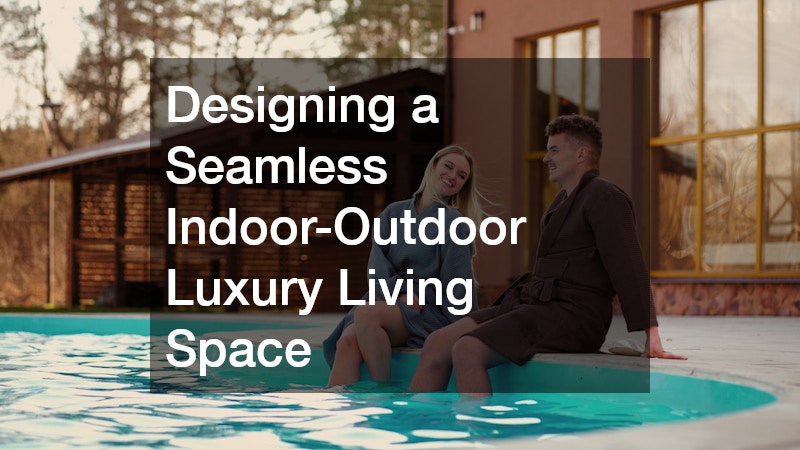
The desire for a home that feels connected to the natural world has changed the way luxury residential architecture operates. High-end property design is no longer about creating rigid boundaries between your indoor rooms and your exterior landscape. Instead, the focus has shifted toward fluidity. The goal is to design a residence where the transition between the interior comfort of your home and the natural beauty of your estate is entirely imperceptible.
As the warmth of spring and summer arrives, this design philosophy becomes more relevant than ever. These vibrant seasons invite us to step outside, bask in natural light, and enjoy the fresh air. By extending your living zones past the traditional perimeter walls, you effectively double your usable entertaining space and create a resort-like sanctuary right at home.
True cohesion between your indoor and outdoor spaces requires an investment in deep planning, premium materials, and a single, unified design theme. When executed correctly, your furniture, flooring, color palettes, and lighting choices will flow naturally from the front entryway to the furthest edge of your property line.
Establishing the Structural Footprint and Flow
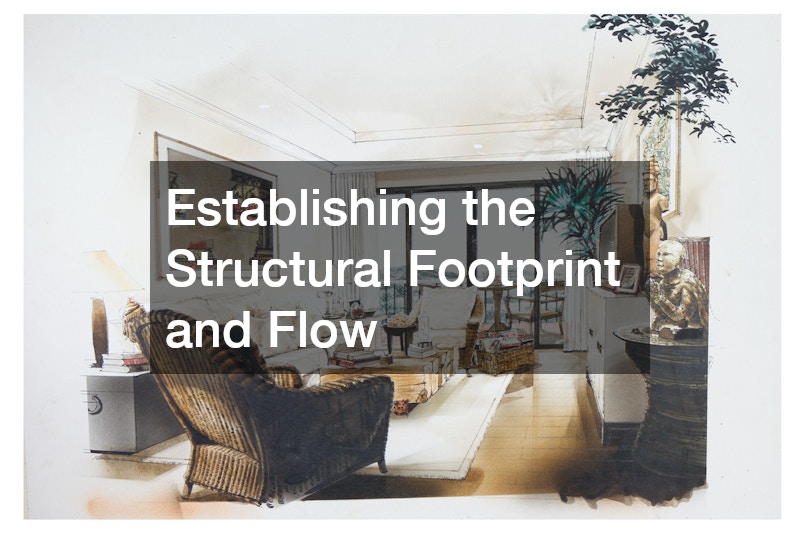
To create a home that feels open to the world around it, you have to start by evaluating the fundamental layout of the house. Achieving a true sense of flow depends on long, clear sightlines. When you stand in your foyer or primary living room, your eyes should naturally be drawn through the house toward the landscape outside. You can achieve this by aligning your main hallways, doorways, and seating arrangements to face the most picturesque views your property offers.
Material choice plays a massive role in tricking the brain into seeing two separate spaces as one large room. If you use a specific stone or wide-plank wood for your interior flooring, try to find a nearly identical, weather-resistant version of that material for the ground right outside the doors. Keeping the floor levels perfectly flush between the inside and the outside eliminates the physical and visual stumble that often interrupts the flow of a home.
- Encourage Movement: Set up your furniture so it encourages movement toward the exits. Avoid placing large, heavy couches or blocking tables directly in front of your patio doors.
- Harmonize the Palette: Match your interior color palette with the natural tones found in your garden. Using complementary earth tones, soft greens, and warm stones inside the house creates an immediate visual connection to the trees and sky outside.
- Unify the Overhead Plane: Keep your ceiling heights consistent on both sides of the threshold. Extending the interior ceiling material out over an exterior porch or overhang makes the outdoor area feel like a direct continuation of the room you just left.
Executing this level of structural transformation requires significant heavy lifting and precision engineering. You cannot simply knock down an exterior wall without a sophisticated plan to support the weight of the house above it. That is why it is essential to collaborate with a premier architect design firm early in the design process. They can specify the hidden steel beams required to create massive, open spans of space without the need for intrusive vertical columns.
As the structural framework of the house takes shape, you will want to bring in a high-end landscaping company to handle the exterior grading. By coordinating these two teams, you can ensure that the soil level, retaining wall placement, and lawn slope align perfectly with the architectural elevations of the house, preventing drainage issues while creating a pristine, intentional layout.
Maximizing Natural Light and Panoramic Views
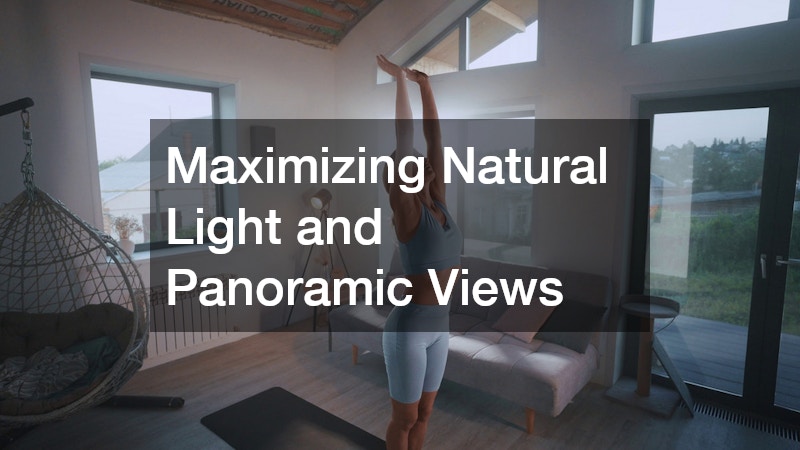
The most impactful way to blur the line between your home and the natural world is through the strategic use of oversized architectural glass. Standard windows and sliding doors can feel like cages that separate you from the sunshine. Modern luxury living demands large-format glass systems, such as multi-slide doors that pocket completely into the walls or bi-fold glass panels that stack neatly to the side. When these systems are fully opened, your exterior wall completely disappears, allowing the summer breeze to drift through your home.
When you are designing with this much glass, you have to pay close attention to the climate and the orientation of the sun. Large glass walls can turn a living room into a greenhouse during the peak of July afternoon heat if you do not choose the right specifications. Look for glass with advanced low-emissivity coatings and thermal breaks in the frames. This technology allows you to enjoy uninterrupted panoramic views and floods of morning light without overworking your air conditioning system or dealing with uncomfortable glare.
- Maximize Glass Surface Area: Choose minimalist, ultra-slim frame profiles made from durable materials like marine-grade aluminum or steel to maximize the actual surface area of the glass.
- Recess Your Shading: Install motorized, recessed solar shades that sit hidden inside the ceiling architecture, allowing you to lower them with a smartphone app during the hottest hours of the day.
- Track the Solar Paths: Position your largest glass walls toward the north or south to capture consistent, indirect daylight throughout the spring and summer while avoiding the harsh, direct blinding light of sunrise and sunset.
Achieving this look requires sourcing materials from an elite window supplier that specializes in custom, oversized residential glazing. These specialized manufacturers can produce massive glass panels that slide with a single finger, despite weighing hundreds of pounds.
Once these massive glass systems are in place, they should open up onto expansive stone patios that act as an elegant bridge between the house and the lawn. By using large-format stone pavers on these terraces, you create a clean, durable platform that handles heavy summer foot traffic, outdoor lounge furniture, and poolside splashing while maintaining a sophisticated, gallery-like aesthetic.
Crafting Premium Outdoor Culinary and Entertaining Hubs
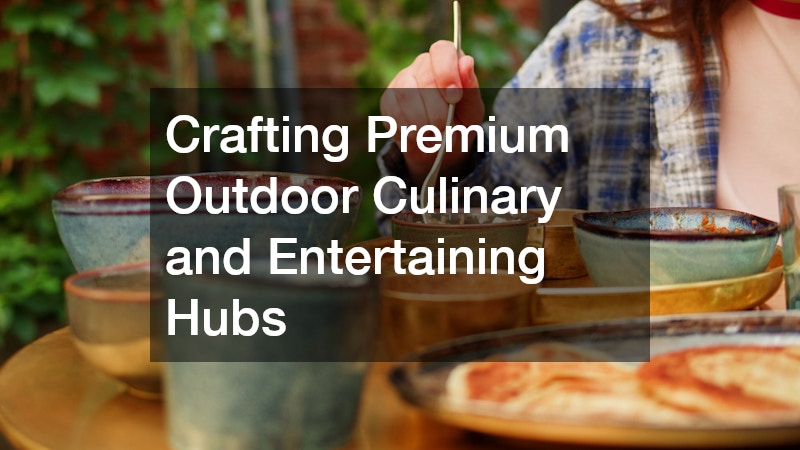
A luxury backyard should be treated with the same level of interior design detail as your main indoor living rooms. To make your property truly functional for summer hosting, you need to break your outdoor acreage down into distinct behavioral zones. Just as you have a kitchen, a dining room, and a family room inside, your outdoor space should feature dedicated areas for cooking, formal dining, casual lounging, and active recreation. This keeps your guests distributed naturally throughout the property during a party.
When planning your outdoor culinary space, move past the idea of a simple standalone barbecue grill. Modern outdoor kitchens are fully realized cooking environments, complete with running water, specialty ice makers, pizza ovens, and dual-zone wine fridges. Position this setup close enough to your indoor kitchen so that your catering staff or family members can easily pass ingredients back and forth without walking across the entire lawn.
- Design for Conversation: Build integrated seating right into your stone walls or around outdoor bars to keep the chef connected to the social action while preparing meals.
- Layer Your Lighting: Install dedicated task lighting over your outdoor cooking surfaces, along with soft, low-voltage ambient lighting under the counters to set the mood after the sun goes down.
- Plan for Sudden Weather Changes: Use outdoor-rated fabrics and quick-drying foam cushions on all your exterior seating to ensure your furniture can handle unexpected summer thunderstorms without getting ruined.
To elevate your estate into a true private oasis, consider adding dedicated zones for sports and high-end dining. Working with professionals who specialize in premium tennis court construction can give you a world-class court for active summer mornings, flanked by a viewing pavilion for guests.
Right next to your cooking and sports zones, your outdoor dining area should feature premium stone countertop installations. Choosing durable, non-porous stones like quartzite or specially treated granite ensures that your outdoor prep surfaces can withstand hot sun, spilled wine, and acidic citrus juices without staining or etching, keeping your entertaining hub looking flawless year after year.
Creating All-Season Comfort in Transition Zones
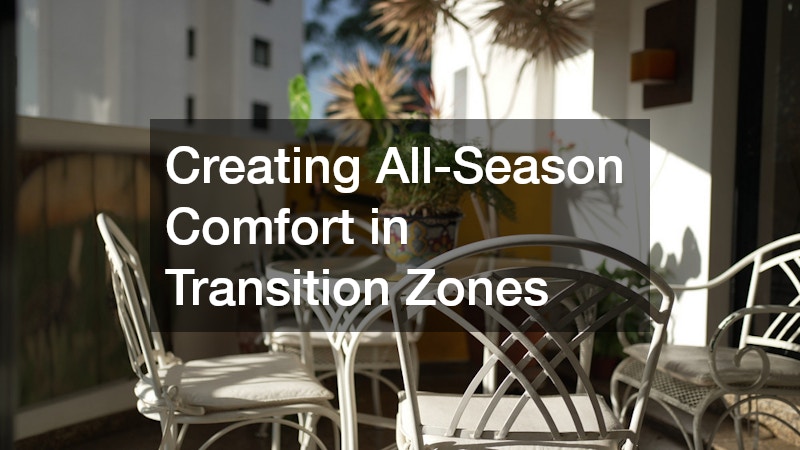
The space directly outside your main glass doors is the most critical area of an indoor-outdoor floor plan. This is your transition zone, and it needs to be designed to handle the changing elements of spring and summer. A wide-open patio is beautiful when the weather is perfect, but you need covered pavilions, deep roof overhangs, or loggias to protect your family from the intense midday sun or a sudden passing summer rain shower.
To make these covered spaces truly comfortable throughout the warmer months, you need to consider climate control. Flush-mounted ceiling fans can keep a gentle breeze moving on humid August nights, while hidden, high-pressure misting systems can instantly drop the ambient temperature of a pavilion by fifteen degrees during the day. Automated insect screens that drop down from hidden tracks in the ceiling are another excellent addition, keeping pests away from your dinner parties without ruining your view.
- Extend Use Into the Shoulder Seasons: Incorporate overhead heaters into the ceilings of your pavilions to keep the space usable during the brisk, cool evenings of early spring and late autumn.
- Calculate Precise Roof Extensions: Design your roof overhangs using precise solar angles, ensuring they block the high summer sun while allowing the lower winter sun to penetrate deep into your home.
- Bring Interior Materials Outside: Use natural wood paneling or tongue-and-groove boards on the ceilings of your outdoor pavilions to bring a sense of indoor warmth and luxury out into nature.
As the sun sets and the air cools down, nothing draws a crowd quite like the crackle of a fire. Integrating high-quality fireplace inserts into your covered outdoor living rooms creates a cozy, campfire-like focal point where guests can gather for drinks late into the night.
By containing the fire within an engineered unit, you eliminate the unpredictable smoke and flying ash that comes with traditional wood fire pits. This clean warmth is especially important if your outdoor living space sits directly adjacent to an indoor gallery room where sensitive family heirlooms or paintings undergoing art restoration are kept. Maintaining stable, smoke-free air keeps your interiors pristine while allowing you to enjoy a fireside ambiance just a few feet away on the porch.
Extending Luxury Finishes into Private Sanctuaries
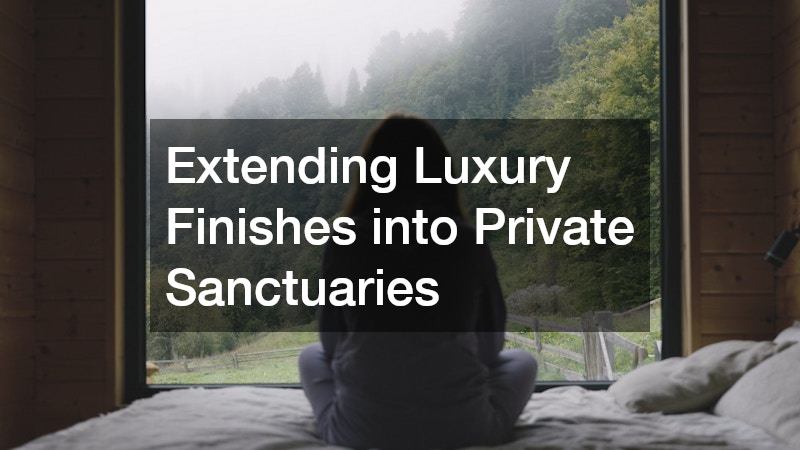
The indoor-outdoor design philosophy should not be limited to your main social areas, like the living room and kitchen. You can apply these same concepts to your private spaces to create an incredibly relaxing, spa-like experience. Your primary bathroom suite is the perfect candidate for this treatment. By opening up your bath area to a private, enclosed courtyard, you can transform a daily routine into a rejuvenating ritual.
Imagine soaking in a freestanding tub, looking out through a wall of glass into a manicured garden bathed in soft light and hidden water features. You can even install a private outdoor shower, directly accessible from the indoor bathroom, and wrap the space in high stone walls to ensure complete privacy while allowing you to shower under the open sky.
- Create Continuous Walls: Use natural stone tiles on your bathroom walls that match the stone of your private courtyard walls to make the bathroom feel like it extends into the garden.
- Incorporate Aromatherapy via Landscape: Plant lush, fragrant greenery like jasmine, lavender, or eucalyptus in the adjacent garden beds so that the summer breeze carries relaxing scents into your vanity area.
- Utilize Smart Opacity: Install frosted or switchable smart glass in areas where you want the option for total privacy without blocking natural daylight.
To make these moisture-heavy transition spaces work seamlessly, you need to choose materials that can withstand the humidity of a bathroom and the damp air from a pool deck or outdoor shower. Specify custom, marine-grade bathroom cabinets treated to resist moisture warping, showcasing beautiful, rich wood grains that mirror the trees outside.
Complete the look with frameless glass shower doors to enclose your indoor bathing areas. The absence of heavy metal frames keeps your sightlines completely open, letting your eyes travel right through the shower enclosure to the outdoor garden beyond, making even the most compact bathroom feel expansive, airy, and deeply connected to nature.
Living Without Boundaries
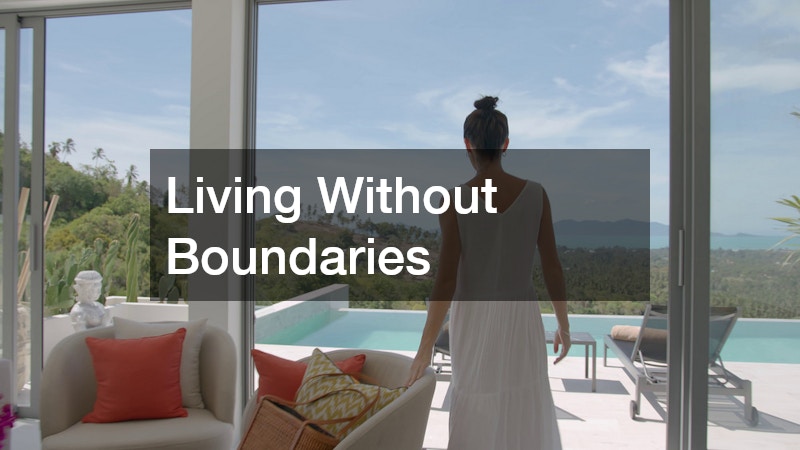
Mastering the art of indoor-outdoor luxury living is all about creating a sense of balance. When you break down the physical walls that isolate your home from the world, you open up your lifestyle to the rhythm of the seasons. A well-designed home should feel like a natural extension of its environment, where every transition is intuitive, and every space serves a purpose.
By investing in smart architectural planning, high-performance materials, and dedicated zones for cooking, dining, and relaxation, you create an estate that adapts beautifully to the long, sunny days of spring and summer. This design philosophy provides you with the ultimate luxury: the ability to step out into nature without ever leaving the comfort of your home, turning your everyday environment into a private, timeless retreat.